Building Affordable Housing Solutions in Guyana
- Sarah Stone
- Apr 9
- 4 min read

The housing crisis in Guyana is a pressing issue that affects many families and individuals across the nation. With a growing population and increasing urbanization, the demand for affordable housing has never been greater. As the government and various organizations work to address this challenge, innovative solutions are emerging to provide safe, affordable, and sustainable housing options for all.
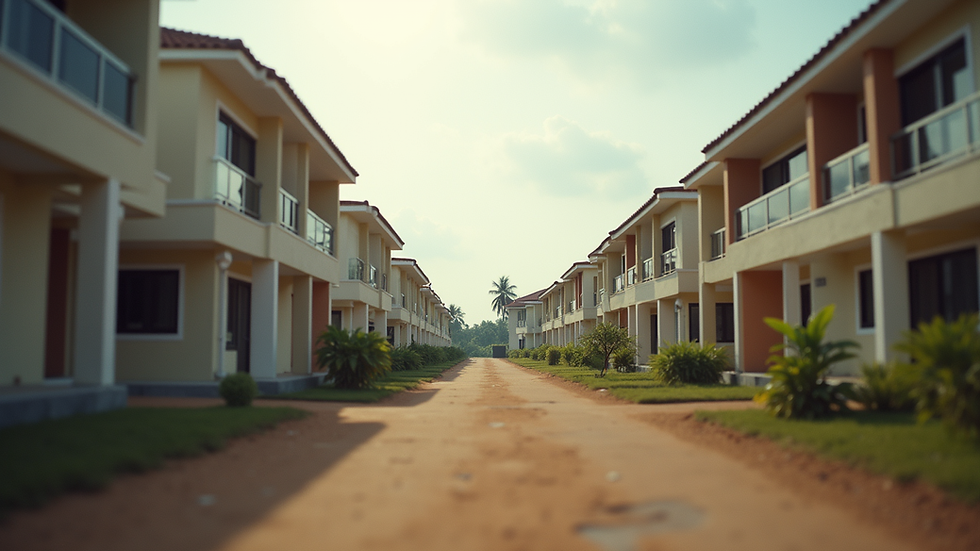
Understanding the Housing Crisis in Guyana
Current State of Housing
Guyana has seen significant economic growth in recent years, largely due to the discovery of oil reserves. However, this growth has not translated into adequate housing for its citizens. Many families live in substandard conditions, with limited access to basic services such as clean water, sanitation, and electricity.
Key Statistics
Population Growth: The population of Guyana is projected to reach approximately 800,000 by 2025, increasing the demand for housing.
Housing Shortage: An estimated 30,000 housing units are needed to meet current demand.
Urbanization Rate: Over 60% of the population now resides in urban areas, further straining housing resources.
The Importance of Affordable Housing
Affordable housing is crucial for several reasons:
Economic Stability: Access to affordable housing allows families to allocate resources toward education, healthcare, and other essential needs.
Social Equity: Providing affordable housing options helps reduce inequality and ensures that all citizens have a place to call home.
Community Development: Well-planned housing projects can foster community engagement and improve overall quality of life.
Innovative Solutions for Affordable Housing
Government Initiatives
The Guyanese government has recognized the need for affordable housing and has initiated several programs aimed at addressing this issue:
Housing Development Program: This program focuses on constructing new homes and upgrading existing structures in urban and rural areas.
Public-Private Partnerships: Collaborations with private developers aim to leverage resources and expertise to create affordable housing projects.
Non-Governmental Organizations (NGOs)
NGOs play a vital role in addressing housing needs in Guyana. Organizations such as Habitat for Humanity and the Guyana Red Cross are actively involved in building homes and providing support to low-income families. Their efforts include:
Building Homes: Constructing simple, durable homes using local materials.
Community Training: Offering workshops on home maintenance and financial literacy to empower families.
Sustainable Building Practices
Sustainability is a key consideration in developing affordable housing solutions. By incorporating eco-friendly practices, developers can reduce costs and environmental impact. Some sustainable practices include:
Using Local Materials: Sourcing materials locally can lower transportation costs and support the local economy.
Energy Efficiency: Designing homes with energy-efficient features can reduce utility costs for residents.
Case Studies of Successful Housing Projects
The Hope Estate Project
Located just outside Georgetown, the Hope Estate Project is a prime example of a successful affordable housing initiative. This project includes:
200 Affordable Homes: Designed for low- to middle-income families.
Community Amenities: Parks, schools, and healthcare facilities to support residents.
The New Amsterdam Housing Initiative
In New Amsterdam, a collaborative effort between the government and local NGOs has resulted in the construction of over 100 homes for displaced families. Key features of this initiative include:
Community Involvement: Residents were actively involved in the planning and construction process.
Job Creation: The project created jobs for local workers, boosting the economy.
Challenges in Implementing Affordable Housing Solutions
Despite the progress made, several challenges remain in the quest for affordable housing in Guyana:
Funding Limitations
Many housing projects struggle to secure adequate funding, which can delay construction and limit the number of homes built.
Land Availability
The availability of suitable land for development is a significant barrier. Urban areas often face land shortages, while rural areas may lack infrastructure.
Regulatory Hurdles
Navigating the regulatory landscape can be complex and time-consuming, often hindering the speed of housing development.
The Role of Community Engagement
Community engagement is essential for the success of affordable housing projects. Involving residents in the planning and decision-making process ensures that their needs and preferences are considered. Strategies for effective community engagement include:
Public Meetings: Hosting forums to gather input and feedback from residents.
Surveys: Conducting surveys to assess community needs and preferences.
Future Directions for Affordable Housing in Guyana
Embracing Technology
The integration of technology in housing development can lead to more efficient construction processes and better project management. Innovations such as:
3D Printing: This technology can reduce construction time and costs.
Smart Home Features: Incorporating smart technology can enhance energy efficiency and security.
Expanding Partnerships
Building strong partnerships between government, NGOs, and private developers is crucial for scaling affordable housing solutions. Collaborative efforts can lead to:
Resource Sharing: Pooling resources and expertise to maximize impact.
Innovative Financing: Exploring new financing models to support housing projects.
Policy Reforms
Advocating for policy reforms that support affordable housing initiatives is essential. This includes:
Zoning Changes: Revising zoning laws to facilitate the development of affordable housing.
Incentives for Developers: Offering tax breaks or subsidies to encourage private investment in affordable housing.
Conclusion
Building affordable housing solutions in Guyana is a multifaceted challenge that requires collaboration, innovation, and community engagement. By leveraging government initiatives, NGO efforts, and sustainable practices, it is possible to create safe and affordable homes for all citizens. As the nation continues to grow, prioritizing affordable housing will be essential for ensuring a stable and prosperous future for all Guyanese.
The journey toward affordable housing is ongoing, and it is crucial for all stakeholders to remain committed to finding effective solutions. Together, we can build a brighter future where everyone has a place to call home.

Comments